As a licensed audiologist, a hearing doctor, I work every day to ensure my patients can hear as well as possible. One way we achieve this is by finding hearing solutions that truly work for you. Hearing aids can be life-changing, but getting the best sound takes teamwork between you and your audiologist. Here are the important steps we take to ensure your hearing aids perform their best.

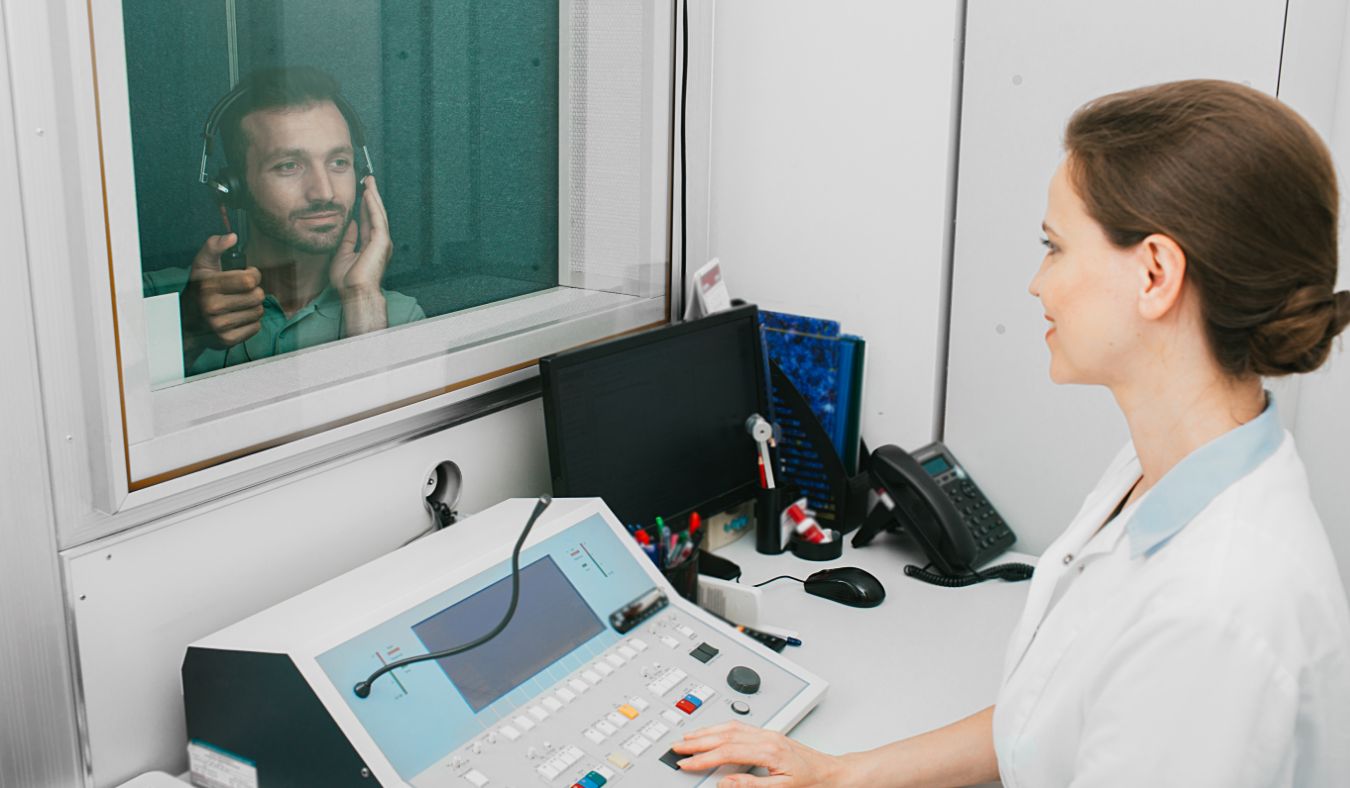
First, your audiologist will conduct a thorough hearing evaluation. This includes listening to tones to identify which sounds you can hear and speech testing to determine how well you understand spoken words. Additional tests may also be used to gain a full understanding of your hearing.

Based on these results, we calculate your hearing prescription.

Next, we ensure your hearing aids fit your ears perfectly. This may involve adjusting earpieces or creating custom ones to suit your hearing loss and comfort. Then, we measure how well the hearing aids perform using a process called Real Ear Verification, the gold standard for hearing aid fittings. During this test, tiny microphones are placed in your ear to measure how sound from the hearing aid behaves in your unique ear canal. Everyone’s ears are as unique as fingerprints, so Real Ear Verification helps us tailor the hearing aids to your ears.

During these measurements, we match your hearing aids to a prescription target based on your hearing test results, a process called “fit to target.” The goal is to ensure you hear soft sounds, clear speech, and that loud sounds are comfortable. This scientific approach ensures your hearing aids are set just right for your hearing levels.

Once the technical measurements are complete, we focus on your experience. We adjust the sound to your liking and teach you how to use your hearing aids confidently. Don’t hesitate to ask questions—we want you to feel comfortable every step of the way.

But the process doesn’t end the day you get your hearing aids. Hearing aids are very customizable, and real-world feedback matters. As you adjust to your hearing aids, take notes and share what works and what doesn’t. This helps us fine-tune your devices to meet your everyday needs. For example, let us know if certain sounds are bothersome or if certain sounds seem too sharp. The more information we have, the better we can meet your needs!

Adjusting to hearing aids takes a little time, but with patience and regular follow-ups, we will ensure they meet your needs and reconnect you to the world around you for years to come. During follow-up visits, your audiologist will check settings, provide routine maintenance, and ensure your hearing aids are in top shape. Remember, your audiologist is here to help every step of the way!

By, Kevin Kock, AuD, MPH